


 Send Inquiry
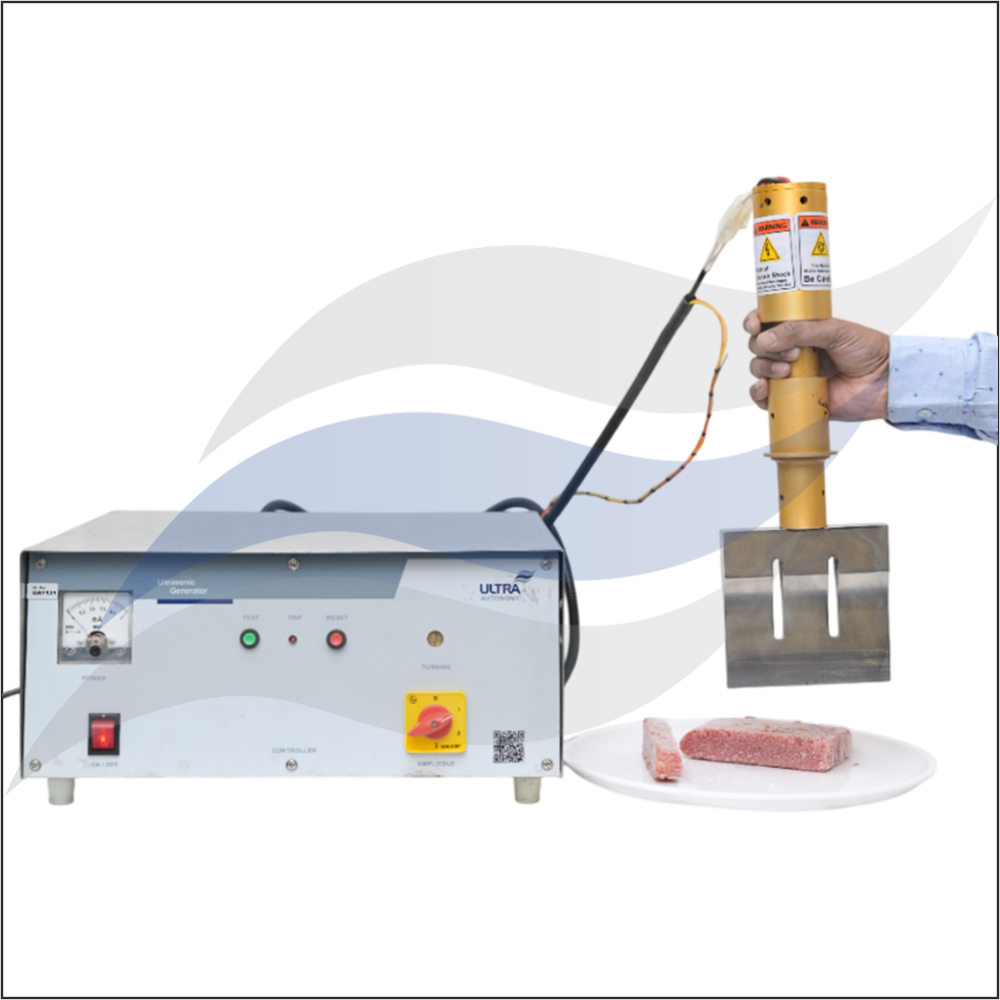
 Product Video
ULTRASONIC FOOD CUTTERS
90000.0 INR/Number
Product Details:
- Usage Industrial
- Material Mild Steel
- Dimension (L*W*H) 320 x 175 x 120 mm
- Product Type ULTRASONIC FOOD CUTTERS
- Power 200 W
- Voltage 220/415 Volt (v)
- Frequency 50/60 Hertz (HZ)
- Click to View more
X
ULTRASONIC FOOD CUTTERS Price And Quantity
- 1 Number
- 90000.0 INR/Number
ULTRASONIC FOOD CUTTERS Product Specifications
- 320 x 175 x 120 mm
- Industrial
- 220/415 Volt (v)
- 0-60C
- 50/60 Hertz (HZ)
- ULTRASONIC FOOD CUTTERS
- 200 W
- Mild Steel
- Low
- Polished
- Adjustable
- 55 kg
- Ultrasonic Vibrating Blade
- Overload and Overheat Protection
- Semi-Automatic
- Digital Control Panel
- Cutting bakery products, cakes, bread, cheese, etc.
Product Description
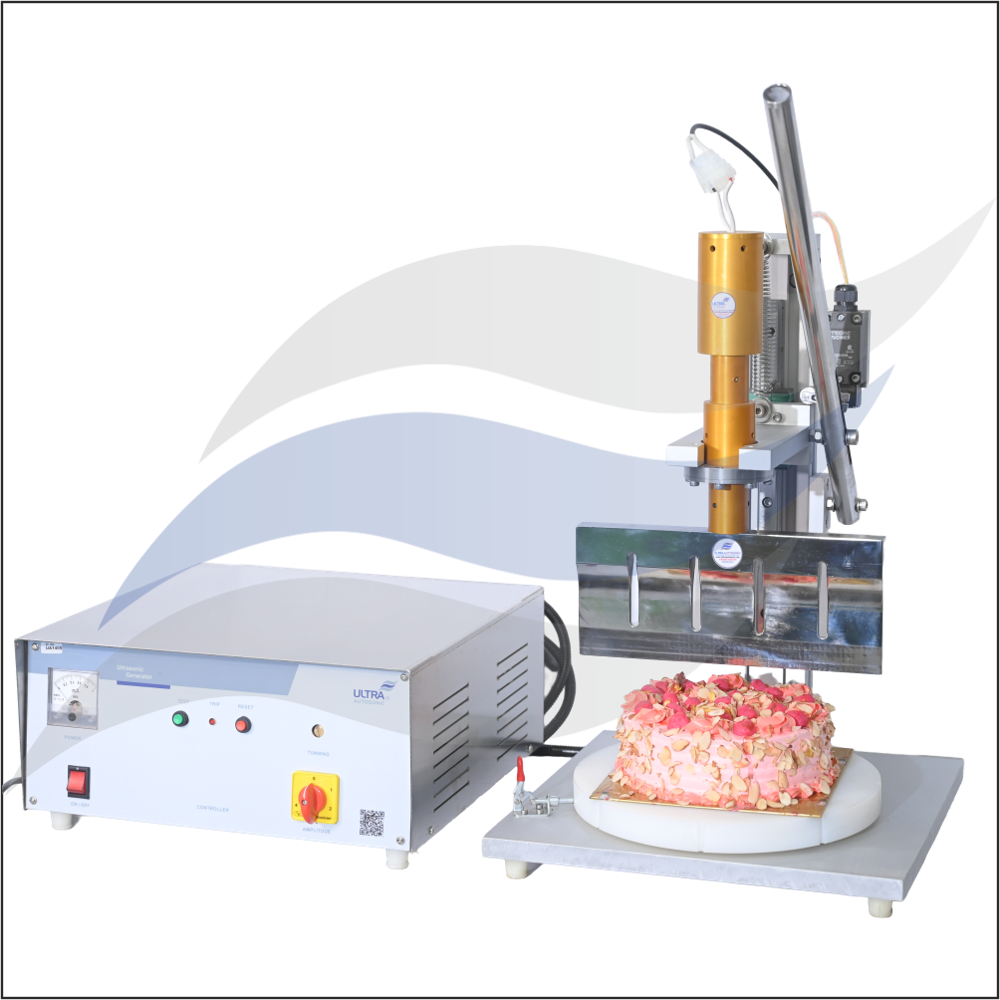
Ultrasonic Food Cutters are a type of cutting equipment that uses ultrasonic vibrations to slice through food products. These cutters are designed to provide precise and clean cuts, which are especially important in the food industry where presentation and quality are key factors. Ultrasonic cutting works by creating high-frequency vibrations in a blade or horn, which are then transmitted to the food product being cut. This vibration causes the blade to slice through the food with minimal force, resulting in a clean and precise cut. Applications Ultrasonic Food Slicing System can be widely used in baking products. ( such as cream multilayer cake, sandwich mousse cake, date cake, steamed sandwich cake, Napoleon, Swiss roll, brownie, tiramisu, cheese, ham sandwich, etc.) It can cut baked and frozen foods of various shapes, such as squares, triangles, etc. Ultrasonic cutting blades can be customized according to customers' special needs and existing conditions.
Advanced Ultrasonic Technology
Our bakery and cheese cutting machine utilizes sophisticated ultrasonic vibrating blades, ensuring precise, residue-free slicing across a variety of food textures. This reduces cleanup time and preserves the visual quality of delicate products like cakes and breads.
Intuitive Digital Controls
Featuring a digital control panel, operators can effortlessly adjust cutting speeds to suit different materials and thicknesses. The interface is user-friendly, simplifying the process for staff and enabling consistent production output.
Safety and Efficiency
Designed with overload and overheat protection, this cutter prioritizes operator safety and machine longevity. Its seamless, polished finish facilitates easy cleaning, supporting safe and hygienic food preparation in busy industrial kitchens.
FAQ's of ULTRASONIC FOOD CUTTERS:
Q: How does the ultrasonic vibrating blade enhance cutting quality in bakery and cheese products?
A: The ultrasonic vibrating blade generates high-frequency vibrations that reduce resistance while slicing, enabling precise and clean cuts with minimal crumbs or product deformation. This technology is especially beneficial for delicate pastries, soft breads, sticky cakes, and semi-soft cheeses, maintaining their aesthetic and structure.Q: What features make the Ultrasonic Food Cutter suitable for industrial use?
A: It offers a robust mild steel build, adjustable cutting speeds via an intuitive digital control panel, and essential safety functions like overload and overheat protection. Its low noise operation and polished surface make it ideal for demanding industrial and commercial food production environments.Q: When should I adjust the cutting speed on this machine?
A: Cutting speed adjustments should be made based on the texture and density of the product being processed. Softer or more delicate items may require a slower speed to maintain integrity, while harder or thicker products can often be cut at a higher speed for efficiency.Q: Where is this ultrasonic food cutter typically installed and used?
A: This cutter is primarily deployed in industrial bakeries, commercial kitchens, large-scale food manufacturing plants, and catering establishments across India where high volumes and consistent cut quality are essential.Q: What is the process for operating the semi-automatic ultrasonic food cutter?
A: Operators place the food product on the cutting surface, select the desired speed and settings via the digital panel, and initiate the cutting cycle. The ultrasonic blade then carries out the cut with precision, and built-in safety features monitor for overload and overheating.Q: How do the safety features protect operators during use?
A: The overload and overheat protection systems shut down the device automatically in the event of excessive stress or temperature, preventing accidents, machine wear, and potential food spoilage.Q: What benefits do users gain from this ultrasonic cutting system over traditional food cutting methods?
A: Users experience faster processing times, reduced product waste, superior portion consistency, enhanced hygiene, and less physical strain compared to manual or conventional blade methods, resulting in cost-effective and high-quality industrial food production.Tell us about your requirement

Price:
Quantity
Select Unit
- 50
- 100
- 200
- 250
- 500
- 1000+
Additional detail
Mobile number
Email

Other Products in 'Ultrasonic Manual Food Cutter' category

|


 Feel free to
Contact Us

- Sr. No. 44/14, Darshana Properties Lane, Opposite Paranjape Abhiruchi Parisar,Pune - 411041, Maharashtra, India
- Phone :08045478214

- Mr Krushna Moholkar (Managing Partner)
- Mobile :08045478214
-
 info@ultraautosonic.com
- Enquiry Contact no. : 917721847555
Email : info@ultraautosonic.com
 Send Inquiry
 Send SMS
ULTRAAUTOSONIC LLP
All Rights Reserved.(Terms of Use)
Developed and Managed by Infocom Network Private Limited.
Developed and Managed by Infocom Network Private Limited.

