


 Send Inquiry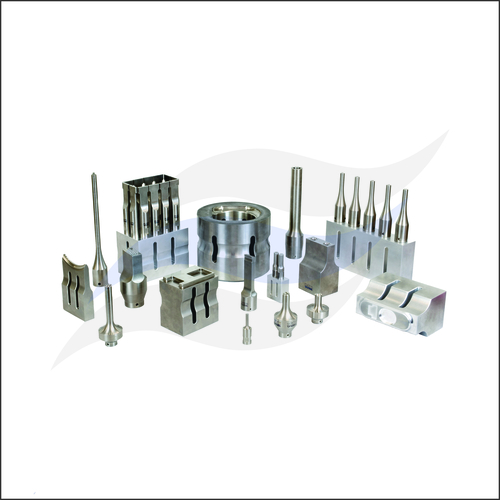
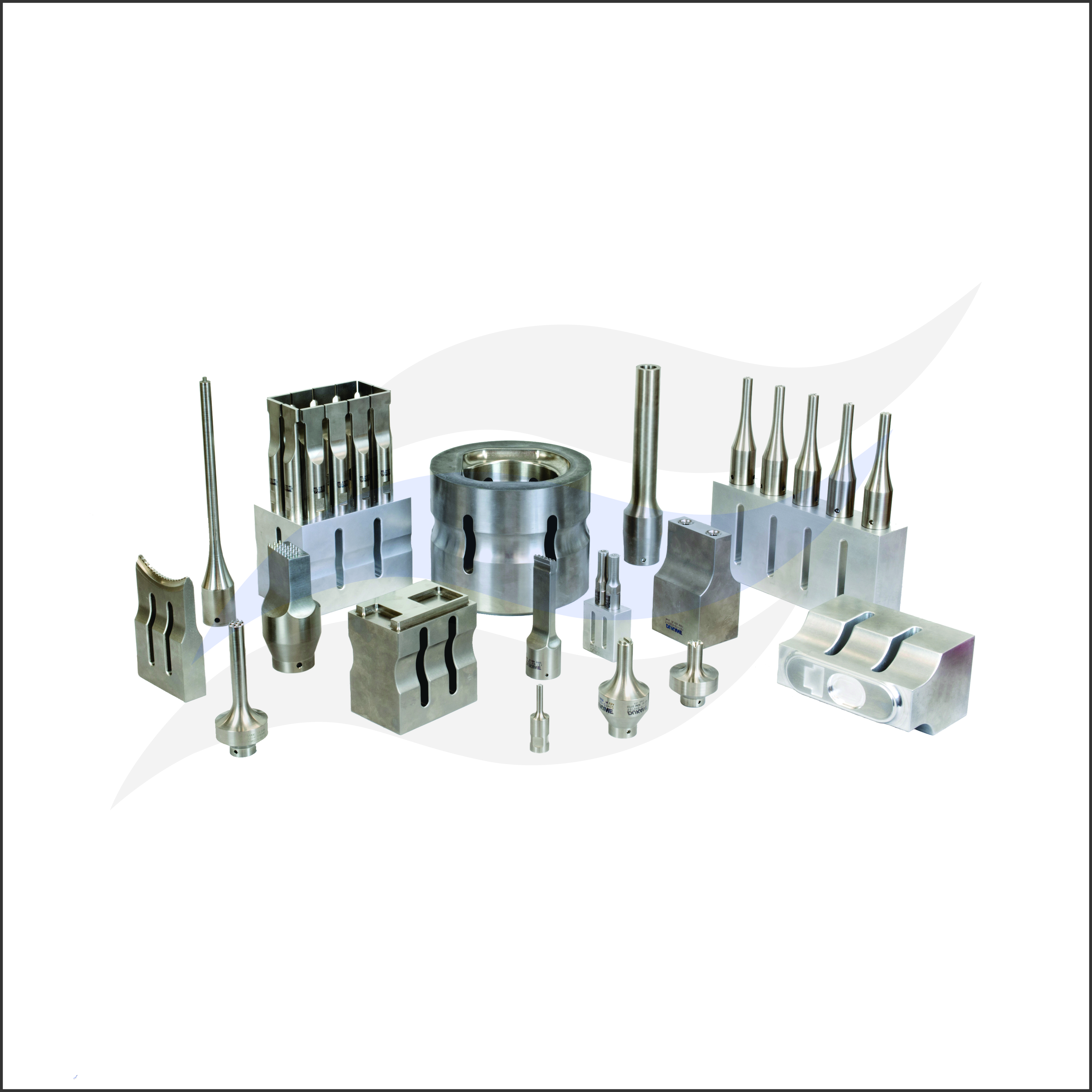
ULTRASONIC HORN
Product Details:
- Usage Industrial
- Material SS
- Size Standard Sizes
- Product Type Ultrasonic Horns
- Color Silver
- Click to View more
ULTRASONIC HORN Price And Quantity
- 32000.0 INR/Unit
- 1 Unit
ULTRASONIC HORN Product Specifications
- Industrial
- Standard Sizes
- Silver
- Ultrasonic Horns
- SS
- 0.01 mm
- Low impedance for efficient energy transfer
- 15 kHz to 60 kHz
- Suitable for Branson, Dukane, Rinco and other major ultrasonic systems
- Shape, frequency, and dimensions can be customized as per user requirements
- -20C to 80C
- HRC 34-36
- Threaded or flange connection
- Minimal maintenance required
- Polished or anodized
ULTRASONIC HORN Trade Information
- 100 Unit Per Week
- 2 Days
- No
- Wooden Box
- Asia, Australia, Eastern Europe, Western Europe, Middle East, Central America, North America, South America, Africa
- All India
- UQSR Certification MQA Certification Udyam Registration
Product Description
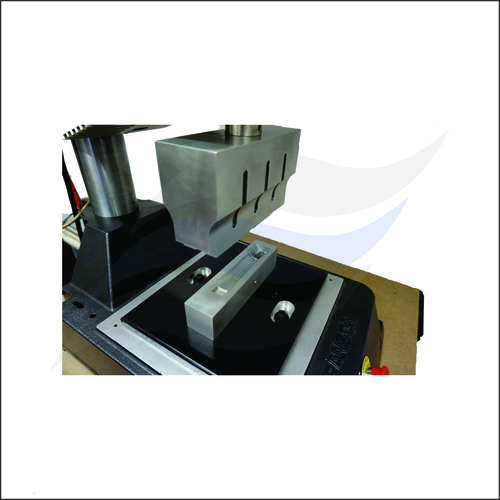
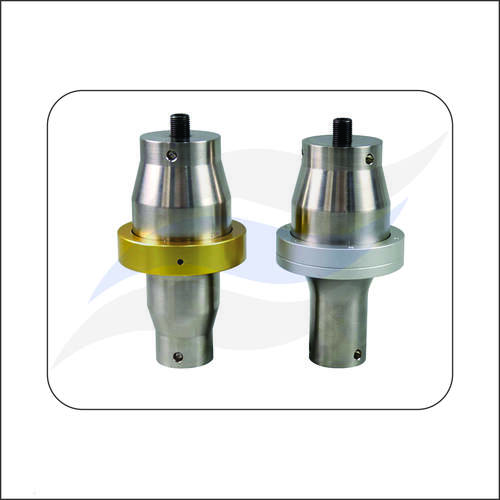
A Ultrasonic Horn is a device that amplifies and transmits high-frequency sound waves, typically between 15 and 100 kHz, generated by an ultrasonic transducer. The horn is designed to efficiently transfer the vibrational energy from the transducer to the material being processed, such as welding, cutting, cleaning, or bonding.
The ultrasonic horn is usually made of a metal alloy, such as titanium or aluminium, which has high acoustic conductivity and low damping. The shape of the horn is carefully designed to match the acoustic properties of the transducer and the material being processed. The horn may have different configurations, including a booster horn, a sonotrode, or a horn stack.
Ultrasonic horns are widely used in various industries, such as automotive, aerospace, medical, food, and electronics. They offer several advantages over traditional mechanical or thermal processing methods, including high precision, low energy consumption, and non-contact processing.

Price:
- 50
- 100
- 200
- 250
- 500
- 1000+

Other Products in 'Ultrasonic Generator' category

|


 Feel free to
- Sr. No. 44/14, Darshana Properties Lane, Opposite Paranjape Abhiruchi Parisar,Pune - 411041, Maharashtra, India
- Phone :08045478214

- Mr Krushna Moholkar (Managing Partner)
- Mobile :08045478214
-
 info@ultraautosonic.com
- Enquiry Contact no. : 917721847555
Email : info@ultraautosonic.com
 Send Inquiry
 Send SMS
Developed and Managed by Infocom Network Private Limited.

