


 Send Inquiry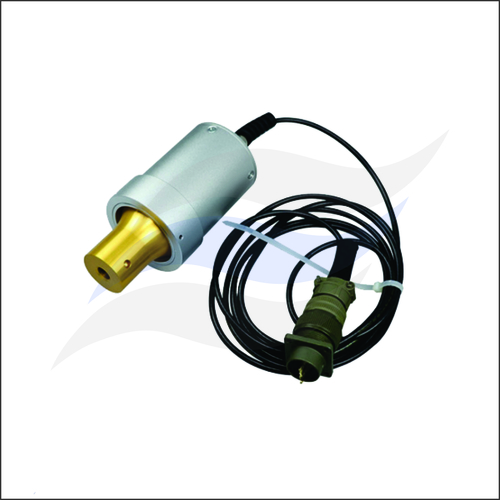
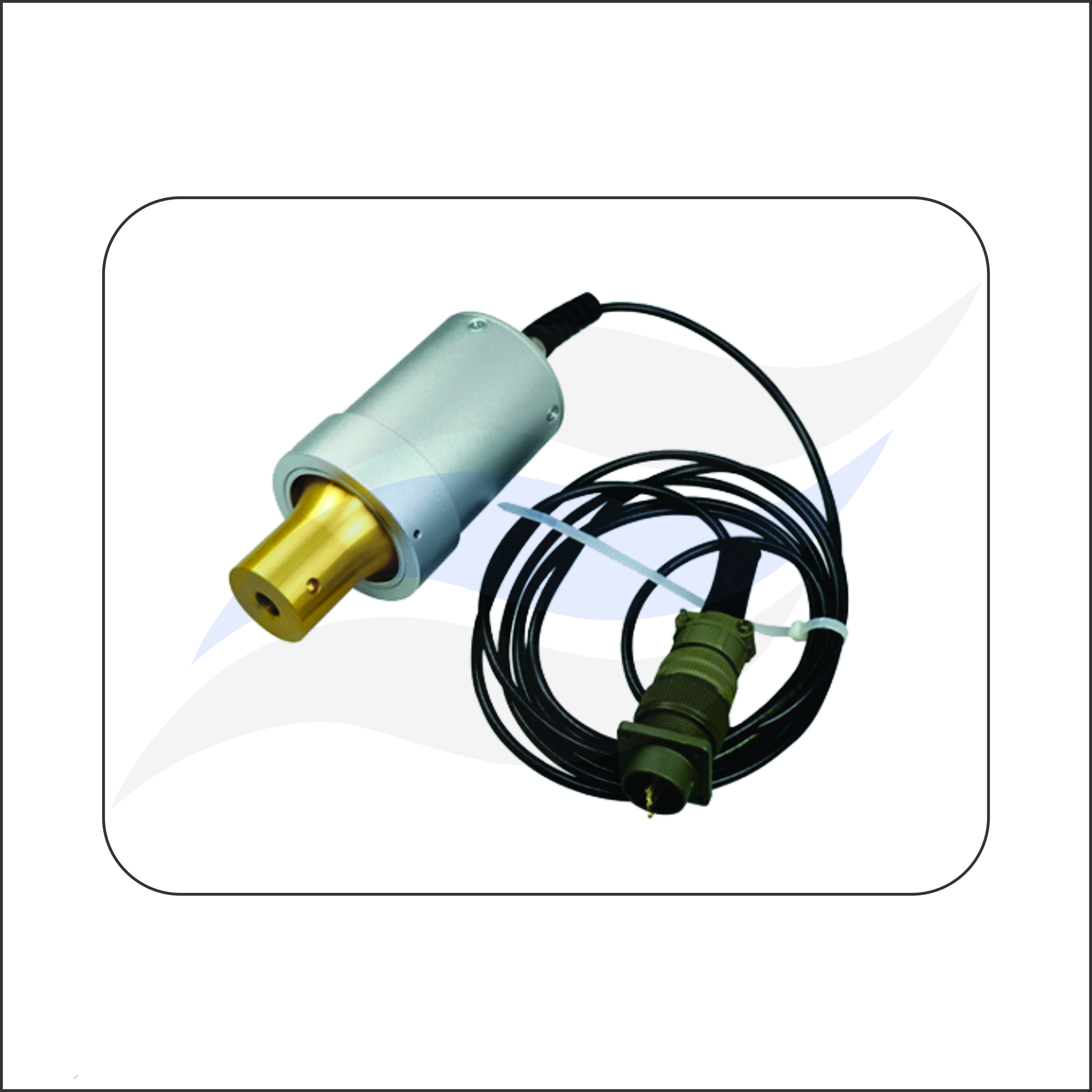
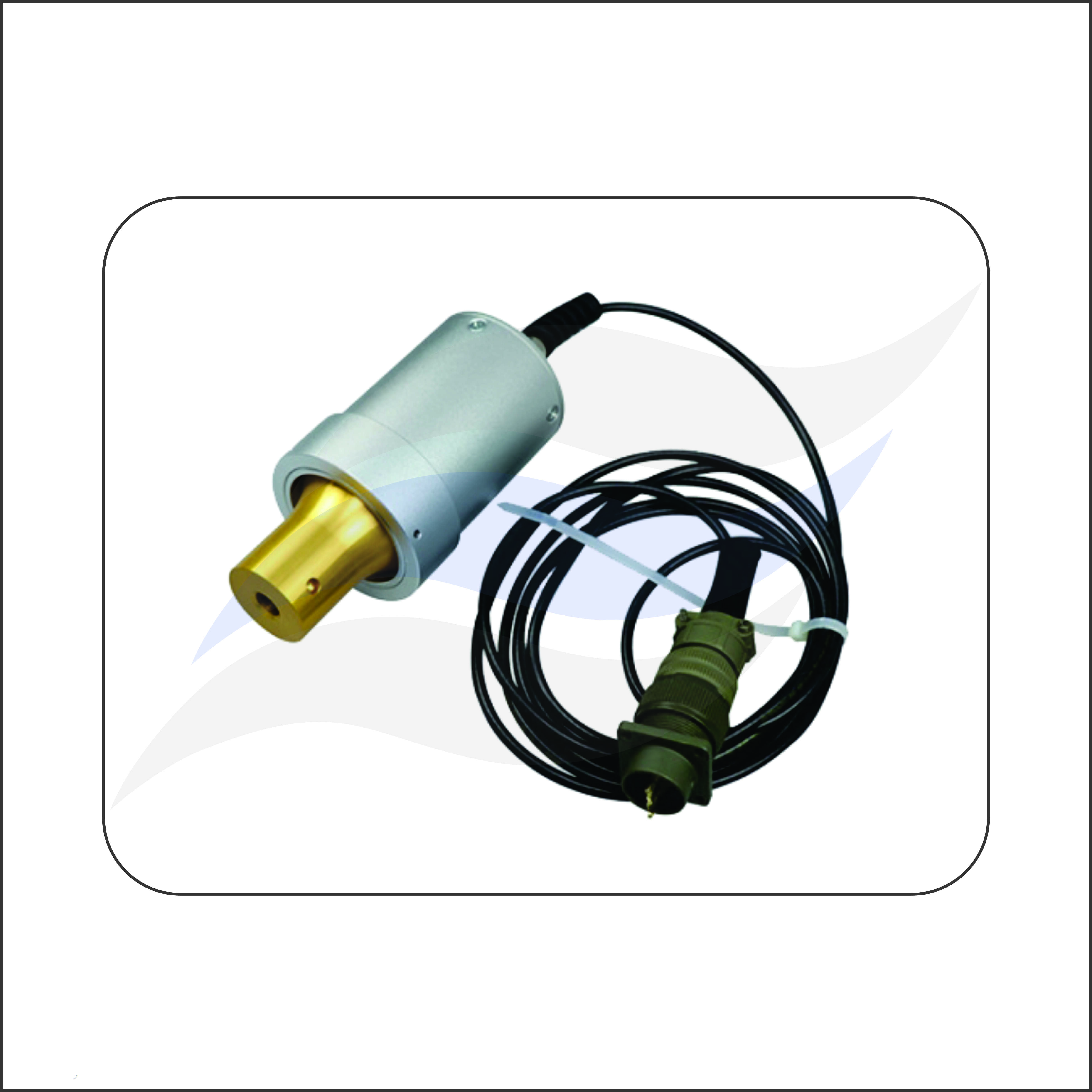
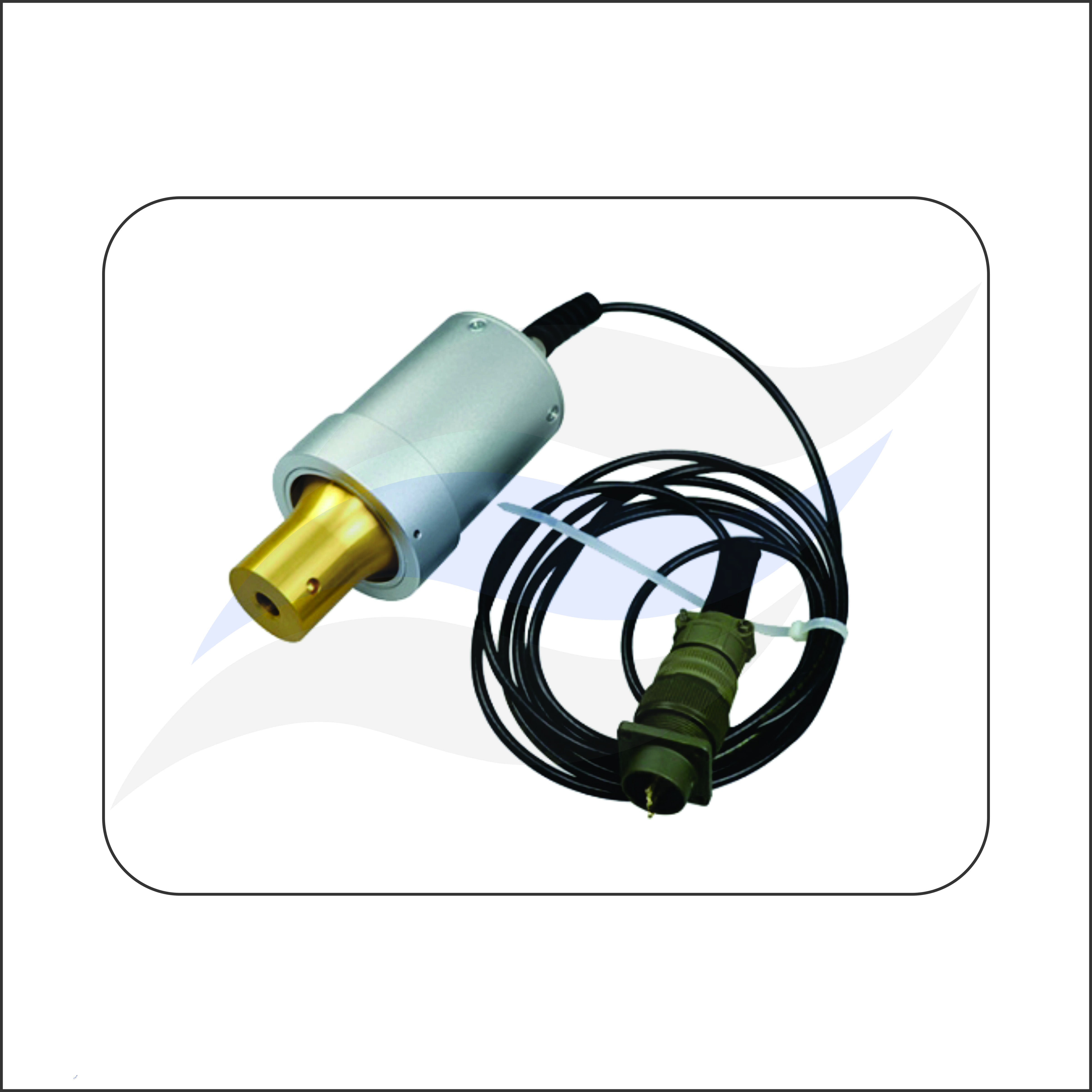
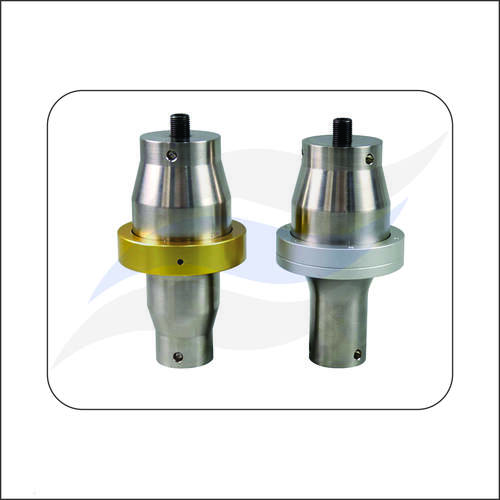
ULTRASONIC TRANSDUCER
Product Details:
- Usage Industrial
- Material MS
- Size Standard Sizes
- Product Type Ultrasonic Transducer
- Frequency 50-60 Hertz (HZ)
- Click to View more
ULTRASONIC TRANSDUCER Price And Quantity
- 40000.0 INR/Number
- 1 Number
ULTRASONIC TRANSDUCER Product Specifications
- MS
- Ultrasonic Transducer
- 50-60 Hertz (HZ)
- Standard Sizes
- Industrial
- 50W to 1000W (depending on model)
- Screw type/bolt mount
- 8 Ohms
- 10,000+ hours
- IP54 (dust and splash protection)
- 0C to 80C
- 28 kHz to 40 kHz
- AC 220V / 110V
- 2-pin cable connection
ULTRASONIC TRANSDUCER Trade Information
- Cash Advance (CA), Cash in Advance (CID), Cheque, Telegraphic Transfer (T/T)
- 20 Number Per Week
- 20 Week
- No
- Wooden Box
- Australia, Central America, North America, South America, Eastern Europe, Western Europe, Middle East, Africa, Asia
- All India
- USQR Certified MQA Certified Udyam Certified
Product Description
Ultrasonic Transducers are devices that convert electrical energy into high-frequency mechanical vibrations (ultrasonic waves) and vice versa. These devices are widely used in various applications, such as medical imaging, cleaning, material testing, and distance measurement.
The basic design of an ultrasonic transducer consists of a piezoelectric element sandwiched between two electrodes. When a voltage is applied to the electrodes, the piezoelectric element contracts and expands rapidly, producing ultrasonic waves. Conversely, when ultrasonic waves are incident on the transducer, they cause the piezoelectric element to vibrate, generating an electrical signal. The frequency of the ultrasonic waves produced or detected by the transducer depends on the thickness of the piezoelectric element and the applied voltage.
Ultrasonic transducers are available in various configurations, including single-element and array transducers. Single-element transducers are simpler and less expensive, but they have limited directional sensitivity and may require mechanical scanning to obtain images. Array transducers, on the other hand, consist of multiple elements arranged in a specific pattern, allowing for electronic steering and focusing of the ultrasonic beam. This makes them more versatile and suited for applications such as medical imaging and non-destructive testing.

Price:
- 50
- 100
- 200
- 250
- 500
- 1000+

Other Products in 'Ultrasonic Generator' category

|


 Feel free to
- Sr. No. 44/14, Darshana Properties Lane, Opposite Paranjape Abhiruchi Parisar,Pune - 411041, Maharashtra, India
- Phone :08045478214

- Mr Krushna Moholkar (Managing Partner)
- Mobile :08045478214
-
 info@ultraautosonic.com
- Enquiry Contact no. : 917721847555
Email : info@ultraautosonic.com
 Send Inquiry
 Send SMS
Developed and Managed by Infocom Network Private Limited.

